Shop

RIBOLLA GIALLA – LE MONDE

13.00

Appellazione: IGT Venezia Giulia
Vitigno: 100% Ribolla Gialla
Terreno: Argilloso, calcareo, ricco di microelementi.
Vinificazione: Macerazione prefermentativa a freddo di 24-48 ore, pressatura soffice delle uve, fermentazione a temperature controllate e
successiva maturazione in vasche di acciaio per alcuni mesi.
Affinamento: 100% vasche di acciaio.

PINOT GRIGIO – LE MONDE

13.00

Appellazione: DOC Friuli
Vitigno: 100% Pinot Grigio
Terreno: Argilloso, calcareo, ricco di microelementi.
Vinificazione: Macerazione prefermentativa a freddo. di 24/48 ore, pressatura soffice delle uve.
Affinamento: 100% vasche di acciaio.

TRAMINER – LE MONDE

13.00

Appellazione: DOC Friuli
Vitigno: 100% Traminer
Terreno: Argilloso, calcareo, ricco di microelementi.
Vinificazione: Macerazione prefermentativa a freddo di 24-48 ore, pressatura soffice delle uve, fermentazione a temperature controllate e successiva maturazione in vasche di acciaio per alcuni mesi.
Affinamento: 100% vasche di acciaio.

CHARDONNAY PIEMONTE – GUIDO VADA

15.00

Appellazione: Piemonte Chardonnay
Vitigno: 100% Chardonnay
Terreno: Calcareo.
Vinificazione: Criomacerazione per 24 ore ad una temperatura inferiore ai 10°C, fermentazione controllata in acciaio per 20/30 gg , maturazione sulle fecce fini con batonnage per 4-5 mesi.
Affinamento: 100% acciaio.

MOSCATO D’ASTI – GUIDO VADA

13.00

Appellazione: Moscato d’Asti
Vitigno: 100% Moscato
Terreno: Calcareo.
Vinificazione: Metodo charmat, fermentazione controllata a 16-17°C fino al raggiungimento di 5 gradi alcolici e presa di spuma in autoclave.
Affinamento: In bottiglia.

LANGHE ARNEIS – GUIDO VADA

14.00

Appellazione: Langhe Arneis
Vitigno: 100% Arneis
Terreno: Sabbioso
Vinificazione: Fermentazione controllata in acciaio per 20/30 giorni e macerazione sulle bucce per i primi giorni, maturazione sulle fecce fini con batonnage per 4-5 mesi.
Affinamento: 100% vasche di acciaio.

BARBERA D’ASTI – GUIDO VADA

14.00

Appellazione: Barbera d’Asti
Vitigno: 100% Barbera
Terreno: Calcareo, argilloso.
Vinificazione: Fermentazione controllata a circa 28-30° per 10-15giorni con dèlestage. Fermentazione malolattica. Maturazione sufecce fini con batonnage per almeno un mese.
Affinamento: In vasca di cemento per 10-12 mesi e 6 mesi in bottiglia.

DOLCETTO D’ALBA – GUIDO VADA

13.00

Appellazione: Dolcetto d’Alba
Vitigno: 100% Dolcetto
Terreno: Calcareo
Vinificazione: Fermentazione controllata a circa 28-30°C per 10-15 giorni, un rimontaggio al giorno con délestage. Fermentazione malolattica. Maturazione su fecce fini con batonnage per almeno un mese. Affinamento: 100% vasche di acciaio.

NEBBIOLO D’ALBA – Antica Cascina dei Conti di Roero

14.00

Appellazione: Nebbiolo d’Alba
Vitigno: 100% Nebbiolo
Vinificazione: Vendemmia manuale in cassette da 20kg, fermentazione e macerazione con le bucce per 15 giorni. Affinamento in botte grande per 6 mesi.
Caratteristiche organolettiche: Colore rosso rubino acceso, sentori di frutta matura. Tannino delicato, avvolgente e di buona struttura.

BARBERA D’ALBA – Antica Cascina dei Conti di Roero

13.50

Appellazione: Barbera d’Alba
Vitigno: 100% Barbera
Vinificazione: Vendemmia manuale in cassette da 20kg, fermentazione e macerazione con le bucce per 15 giorni. Affinamento in tini di acciaio per 6 mesi. Affinamento in barrique di 2′ passaggio per altri 6 mesi.
Caratteristiche organolettiche: Colore rosso rubino acceso, sentori di frutta matura. Buona acidità, fresco e strutturato.
NEBBIOLO

LANGHE FAVORITA – Antica Cascina dei Conti di Roero

13.00

Appellazione: Langhe Favorita
Vitigno: 100% Favorita
Vinificazione: pressatura soffice, nessuna macerazione con le bucce. Fermentazione a 15 °C molto lenta. Affinamento in tini di acciaio per 4 mesi.
Caratteristiche organolettiche: Colore giallo paglierino con riflessi verdognoli. Fresco, pieno, discretamente strutturato.

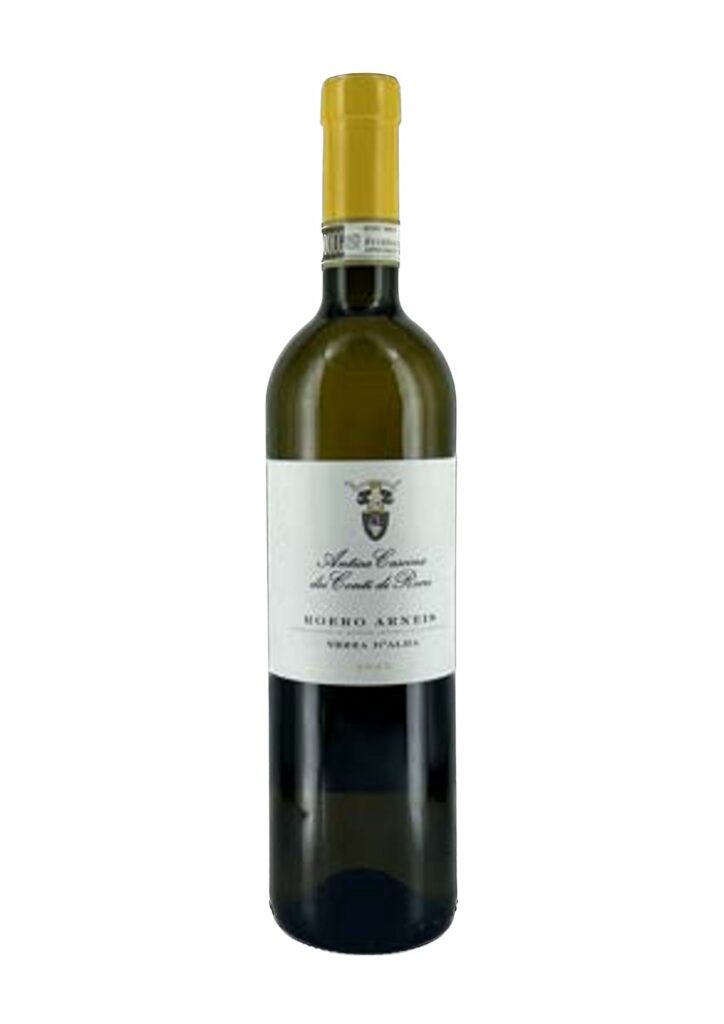
ROERO ARNEIS – Antica Cascina dei Conti di Roero

13.50

Appellazione: Roero Arneis
Vitigno: 100% Arneis
Vinificazione: pressatura soffice, nessuna macerazione con le bucce. Fermentazione a 16 °C molto lenta. Affinamento in tini di acciaio per 6 mesi.
Caratteristiche organolettiche: Colore giallo paglierino con riflessi verdognoli. Buona mineralità, equilibrato, retrogusto floreale.

Online Sports Nutrition and Natural Dietetics.

Chances are there wasn't collaboration, communication, and checkpoints, there wasn't a process agreed upon or specified with the granularity required. It's content strategy gone awry right from the start. Forswearing the use of Lorem Ipsum wouldn't have helped, won't help now. It's like saying you're a bad designer, use less bold text, don't use italics in every other paragraph. True enough, but that's not all that it takes to get things back on track.

The villagers are out there with a vengeance to get that Frankenstein

You made all the required mock ups for commissioned layout, got all the approvals, built a tested code base or had them built, you decided on a content management system, got a license for it or adapted:

  • The toppings you may chose for that TV dinner pizza slice when you forgot to shop for foods, the paint you may slap on your face to impress the new boss is your business.
  • But what about your daily bread? Design comps, layouts, wireframes—will your clients accept that you go about things the facile way?
  • Authorities in our business will tell in no uncertain terms that Lorem Ipsum is that huge, huge no no to forswear forever.
  • Not so fast, I'd say, there are some redeeming factors in favor of greeking text, as its use is merely the symptom of a worse problem to take into consideration.
  • Websites in professional use templating systems.
  • Commercial publishing platforms and content management systems ensure that you can show different text, different data using the same template.
  • When it's about controlling hundreds of articles, product pages for web shops, or user profiles in social networks, all of them potentially with different sizes, formats, rules for differing elements things can break, designs agreed upon can have unintended consequences and look much different than expected.

This is quite a problem to solve, but just doing without greeking text won't fix it. Using test items of real content and data in designs will help, but there's no guarantee that every oddity will be found and corrected. Do you want to be sure? Then a prototype or beta site with real content published from the real CMS is needed—but you’re not going that far until you go through an initial design cycle.